Does Shotgun Barrel Length Matter?
From 28 to 34 Inches—Here’s What Actually Changes When You Pull the Trigger
When shooters start comparing shotguns, one question comes up constantly: Does barrel length really matter?
In this article
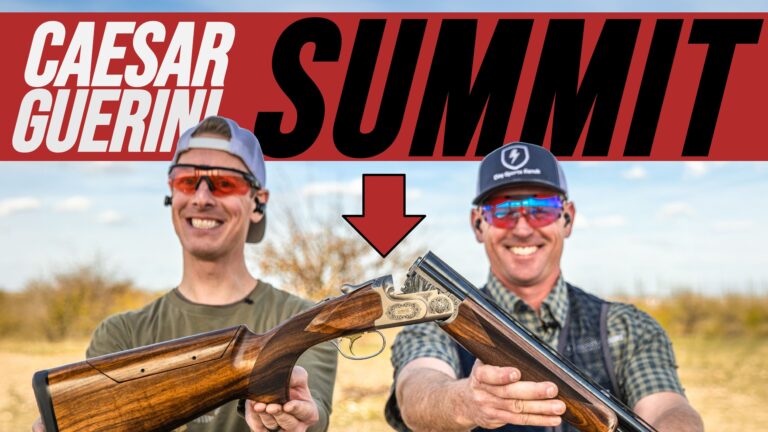
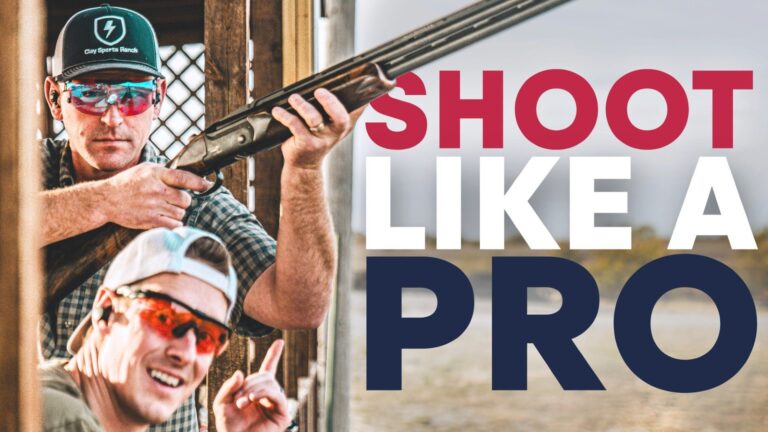
In this video, I teamed up with Drew Lieske from Orion Outdoors to dig into that exact topic. We looked at three very different shotguns—a lightweight field gun with a 28-inch barrel, a 30-inch gun designed for female shooters, and a long 34-inch sporting clays model—to see how barrel length affects handling, balance, recoil, and target connection.
Barrel length plays a bigger role than many people realize. Longer barrels tend to provide a smoother swing and stronger connection to distant targets, while shorter barrels are lighter, faster to move, and easier to carry in the field. But as with most things in the shotgun world, the right choice depends on how you shoot, what you shoot, and your own physical build.
To explore those differences, we shot a variety of targets—from close game-bird presentations to longer clay targets—to see how each barrel length performed in real-world shooting situations.
Why Barrel Length Matters
One of the easiest ways to understand barrel length is to think about how we point a shotgun. Unlike a rifle, you don’t aim a shotgun—you point it. The barrel becomes a visual guide that helps your body stay connected to the target as the gun moves through the swing.
A longer barrel naturally creates a longer sighting plane and a little more forward momentum in the gun. That extra length can help smooth out your swing and make it easier to stay connected to the target, especially on longer crossing shots.
This is one of the reasons longer barrels have become common in sporting clays and other clay target disciplines. Many competitive shooters gravitate toward 30-, 32-, or 34-inch barrels because they often provide:
-
A smoother, more controlled swing
-
Better connection on longer targets
But that doesn’t mean longer is always better. Like most things with shotguns, every advantage comes with a trade-off, and barrel length is no exception.
The Downside of Longer Barrels
The biggest downside of longer barrels is weight and balance. As barrels get longer, the weight moves farther away from your forward hand. Adding a few inches may only add a few ounces, but those ounces at the end of the barrel can have a noticeable impact on how the gun balances and handles.
Most higher-end shotguns are designed with this in mind. Manufacturers carefully account for barrel length and weight to maintain proper balance, often pairing longer barrels with heavier stocks to keep the gun feeling neutral in the hands. With many lower-cost guns, however, less attention is given to how those extra inches affect the overall balance of the shotgun.
As barrel length increases, the gun can start to feel forward-heavy. For taller or stronger shooters, that forward weight can actually be helpful—it stabilizes the gun and promotes a smoother swing. But for smaller shooters, youth shooters, or those with shorter wingspans, a very long barrel can quickly become fatiguing and harder to control.
Weight can also be your friend—or your enemy—depending on what you’re doing. In clay target disciplines, where you may shoot hundreds of rounds in a day, a little extra weight can help reduce recoil and smooth out your swing. But when you’re walking a lot and shooting a little, like in upland hunting, that extra weight isn’t your friend. Carrying a heavier gun all day through fields or cover quickly reminds you why lighter field guns exist.
That’s why barrel length often needs to match both the shooter’s physique and the intended use of the shotgun. A six-foot-five athlete may comfortably handle a 34-inch barrel on the clay course, while someone much smaller—or someone covering miles in the uplands—might perform better with a shorter barrel that keeps the weight closer to the body.
Sporting Clays vs. Hunting Guns
Barrel length also depends heavily on what the gun is built to do. Sporting guns are designed for shooting a lot and walking very little. Field guns are the opposite: walking a lot and shooting a little.
That difference dramatically affects barrel length choices.
Sporting Clays Guns
Sporting guns typically feature longer barrels because shooters benefit from:
-
Smooth swings on crossing targets
-
More stability for long-range shots
-
Reduced recoil during high-volume shooting
It’s rare today to see sporting clays shooters using barrels shorter than 30 inches.
Hunting Guns
Field guns prioritize portability, weight savings, and quick handling for more reactive shooting situations.
Hunters often carry their shotgun all day across fields, marshes, or upland cover. Because of that, shorter barrels—typically 26 or 28 inches—are very common in hunting shotguns. The Caesar Guerini Magnus Light we tested is a great example. With a 28-inch barrel and a weight of around 5 pounds 12 ounces, it’s incredibly light and easy to carry, which makes perfect sense for hunting situations where you might walk miles and only take a handful of shots.
Another factor is how hunting guns are balanced. Field guns often have less material in the stock, which reduces weight toward the rear of the gun. To maintain proper balance, the barrels usually need to be shorter. If you paired that lightweight stock with a very long barrel, the gun would quickly become extremely front-heavy and poorly balanced.
Balance: The Overlooked Factor
Barrel length doesn’t just change weight—it changes balance. And balance matters a lot, not just for shooting but also for carrying. A well-balanced shotgun helps you make smoother, more consistent shots and affects how the gun feels in your hands throughout the day. Two shotguns may weigh exactly the same, but if one is better balanced, it will almost always feel lighter and be easier to carry in the field.
Field guns often have less wood in the stock to keep them lightweight. Pairing that lighter rear end with an extremely long barrel can make the gun too front-heavy, which becomes uncomfortable to carry and awkward to shoot.
Balance preferences also vary between shooters. Some people prefer a gun that feels lively and quick, while others like a gun that swings slower and more smoothly. Ultimately, balance, body type, shooting style, and intended use all work together to determine what barrel length will feel best for a given shooter.
Testing the Barrel Lengths
To experience the differences firsthand, we shot three guns:
-
Caesar Guerini Magnus Light – 28-inch barrel (28 gauge)
-
Siren Grace – 30-inch barrel
-
Caesar Guerini Invictus Arco Sporting – 34-inch barrel
We started with a close, fast “game bird” style target, then moved to a longer clay presentation around 45 yards. The differences became noticeable quickly.
The 28-inch Magnus Light felt extremely lively and quick to move. It was great for fast target acquisition and close targets, but it became a bit trickier on longer shots that required a slower, more deliberate swing.
The 30-inch Grace smoothed things out a bit and offered a more controlled swing compared to the 28-inch Magnus.
But when stepping up to the 34-inch sporting gun, the swing felt noticeably smoother and more connected—especially on longer targets. The additional barrel length helped guide the gun and maintain momentum through the shot. On the close target, it wasn’t quite as responsive as the shorter guns, but it still handled the presentation just fine.
That said, it’s important to remember that barrel length isn’t the only variable. Stock fit, gun weight, gauge, and balance all play a major role in how a shotgun performs.
There’s No Perfect Formula
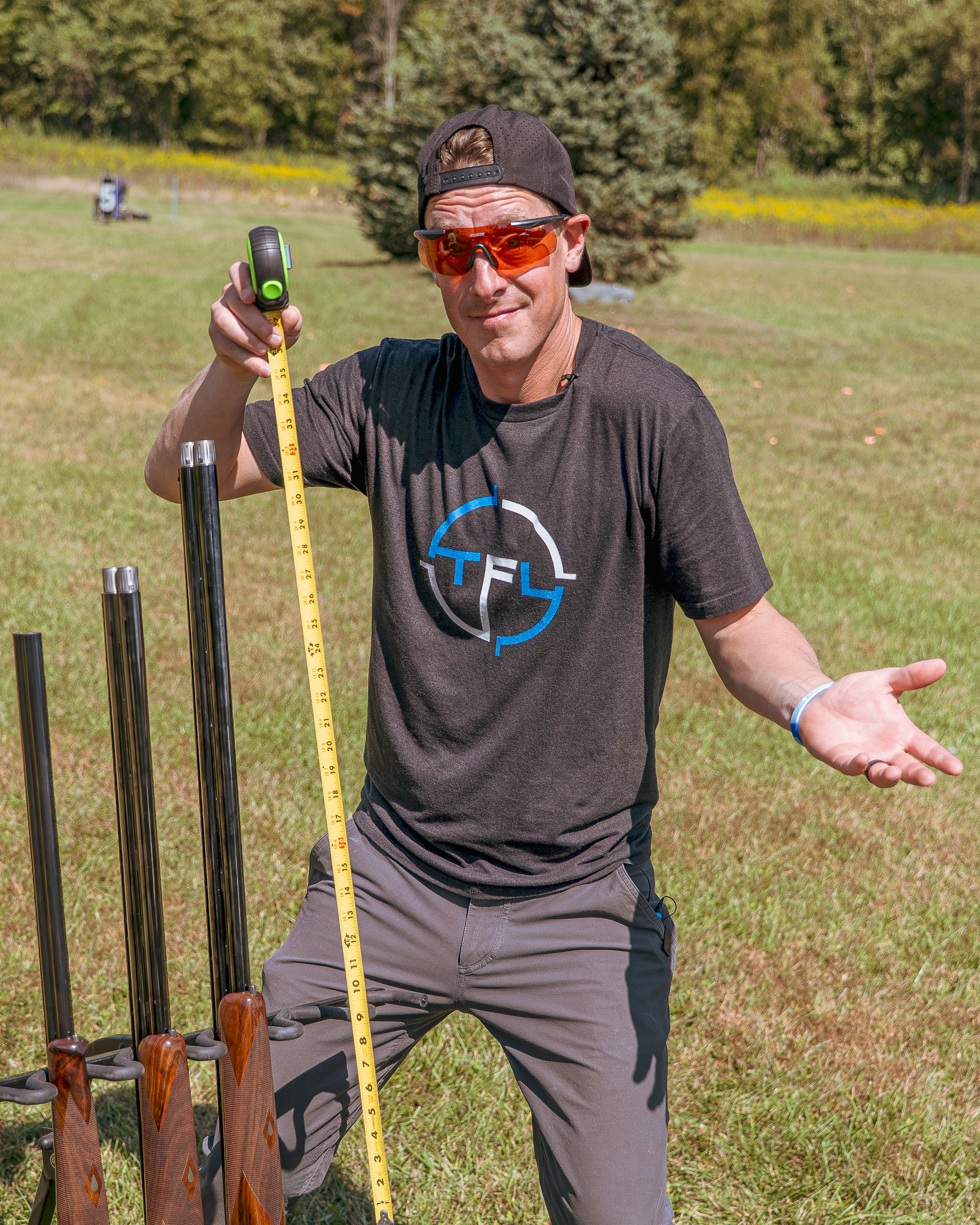
One of the biggest takeaways from this conversation with Drew is that there isn’t a universal “perfect barrel length”. If there were a formula where you could plug in a few numbers and get your ideal barrel length, life would be easy. But shotguns—and shooters—aren’t that simple.
The best way to determine the right barrel length is to:
-
Handle different guns
-
Pay attention to balance and comfort
-
Shoot targets with each option
-
Notice how fatigue sets in over time
Hands-on experience matters far more than theory.
Final Thoughts
After shooting these guns side-by-side, I definitely came away convinced that barrel length plays a real role in how a shotgun performs.
For me personally, the longer barrel—especially the 34-inch sporting model—felt smoother and more connected, particularly on longer targets. Each time I stepped down in barrel length, the gun felt a little quicker and a little more challenging to control on those longer presentations. That said, the Magnus Light 28-inch field gun was incredibly fun to shoot. It was light, fast, and perfect for what it was designed for: hunting situations where you’re carrying a shotgun all day.
The honest takeaway?
Longer barrels often shine on the clay course, while shorter barrels make a lot of sense in the field. But the “right” answer depends on the shooter, the gun, and the application. The best thing you can do is get your hands on different guns and shoot them. That experience will teach you far more than any chart or recommendation ever could.
Whether our targets in the field or our targets in life, we’ll only hit what we’re focused on — live the #targetfocusedlife