Inside Perazzi: What Makes These Shotguns So Special?
Sep 22, 2026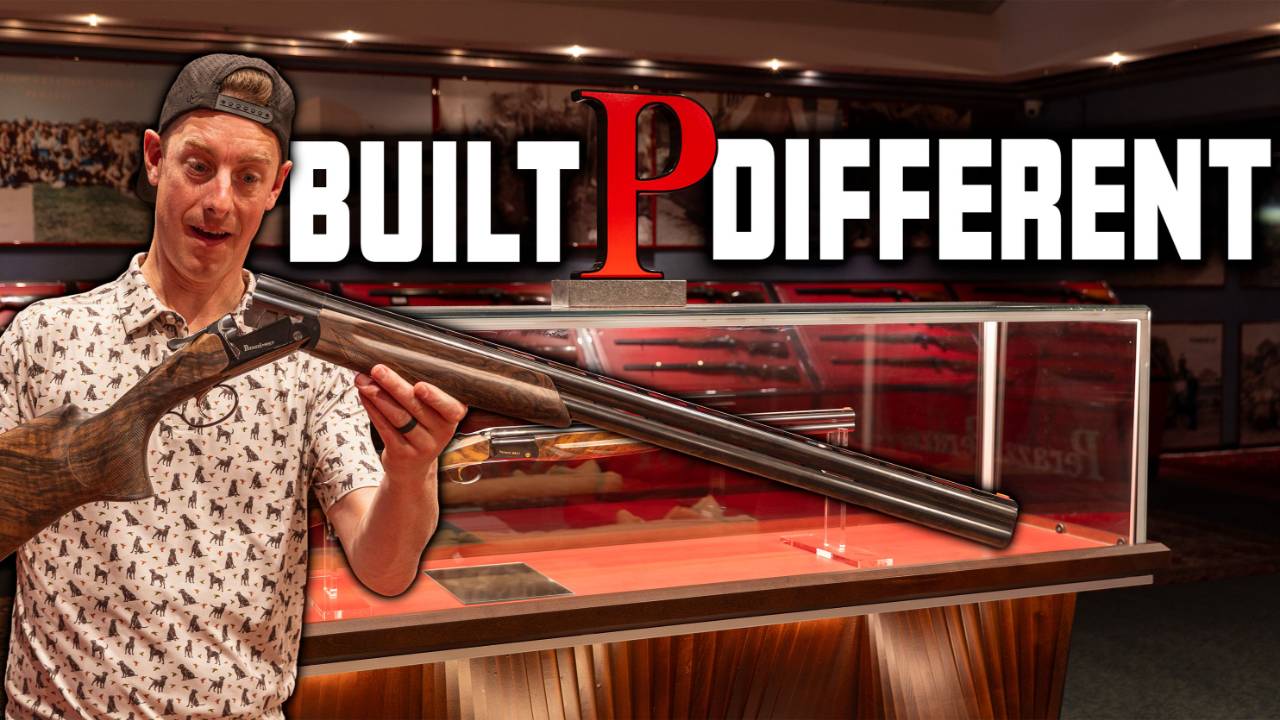

Honestly, I didn't know what to expect walking into Perazzi. I knew they were renowned for making some of the best competition shotguns on the planet, but I'd only ever seen gun factories built around mass production, and I had never seen this much time and attention go into a single gun. So when my buddy Steven Berger of Berg's Outdoors headed to Italy to get fit for his new MR57, I tagged along to see what that looks like up close.
Full of Machines, Full of People
Yes, the Perazzi factory is full of machines, but what surprised me was how much of the gun is made right there in the building. Receivers and monoblocs arrive as blocks of forged steel, and barrels start as bar stock. From what I understand, very few shotgun makers produce as many of their own parts as Perazzi does.
Now to be fair, machines alone don't make a Perazzi. That building is also full of people with years and years of experience, and just about every piece gets hand-fitted and finished before it goes out the door. That is a big part of why, on average, only seven shotguns leave the factory a day.
Barrels Trued by Hand
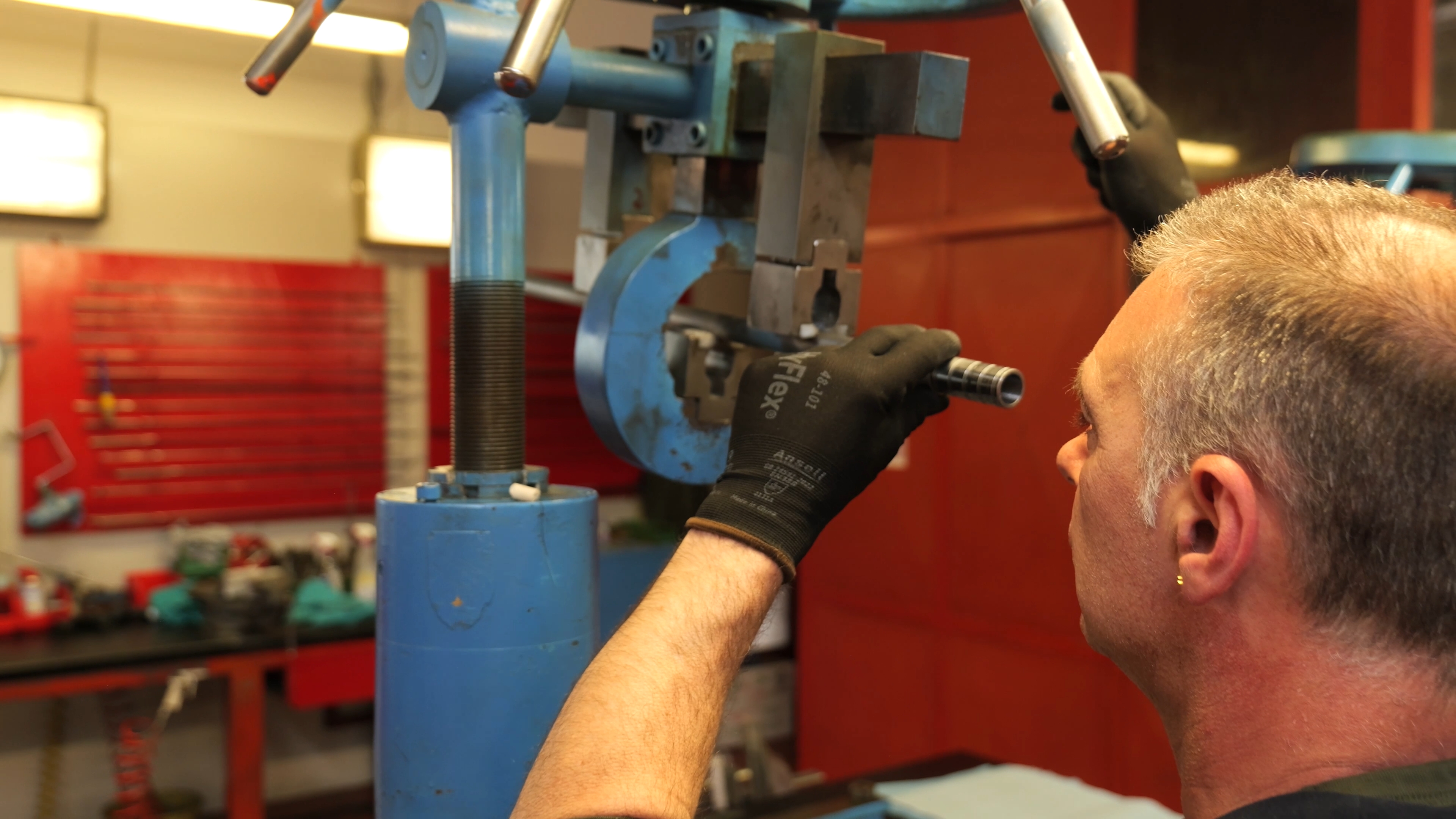
One of the first things that stopped me was a craftsman looking down a set of barrels at a light on the wall. He was trueing them by eye, working out any incorrect contours until that line of light ran perfectly straight. They told me there's no machine that does it better, and they didn't mean cheaper or faster, they meant better.
The same goes for fitting the barrels to the receiver. The craftsman coats the surfaces in gunmaker's blue, works the action, and files wherever it's making contact until the whole bearing surface is covered evenly. It's slow, careful work, and it's a big reason for the tight fit and fine finish Perazzi is known for.
A Stock Fit for One Shooter
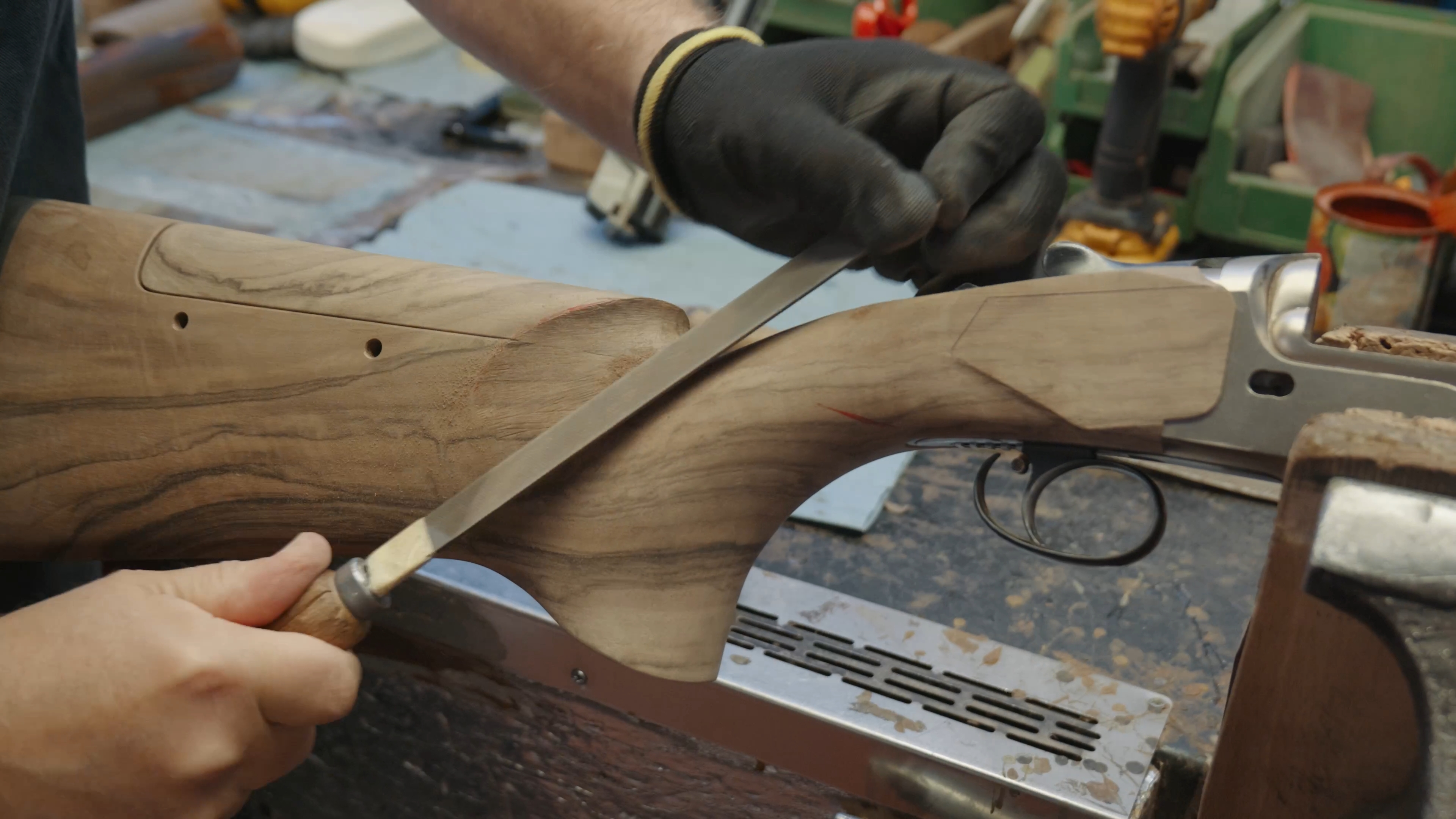
This is where every Perazzi really becomes one of a kind. Steven was there for his new MR57, which starts with the original MX receiver, the same platform that goes back to the 1968 Olympics in Mexico City, and rethinks everything around it. It may be built on the same internal receiver, but this is a completely different shotgun and that was evident when we took it to the range.
Some customers just send their measurements over, but since Steven was on site, it started with a try gun that adjusts just about every way possible. Once that was dialed in, it was off to the patterning plate to make sure the gun shot properly. Later, with the stock still in the white, he shot it in the tunnel and went back and forth with the stock fitters, mounting and giving feedback while they filed away until it was right.
Inside the Wood Vault
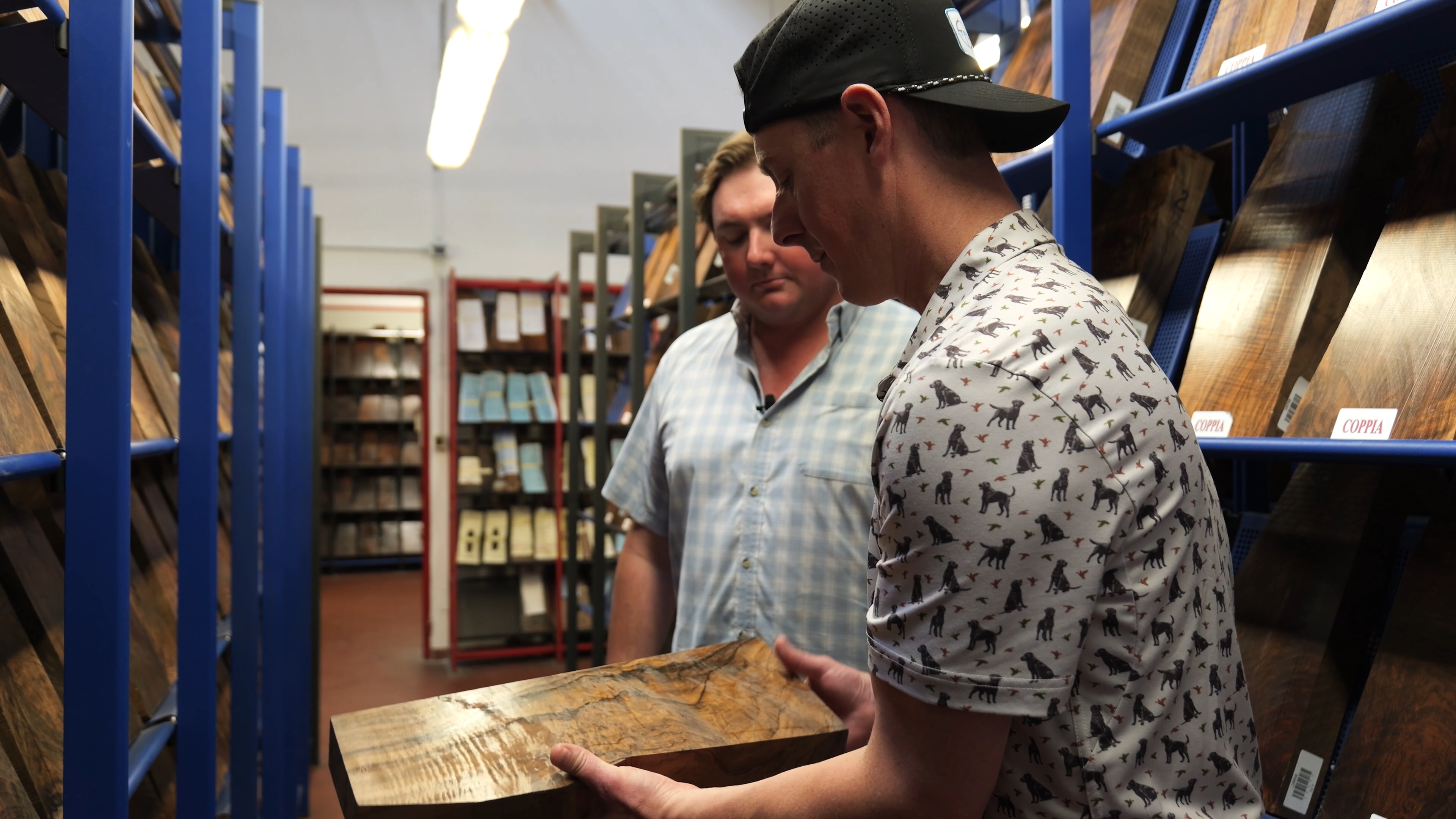
Then came the wood vault, and I'll be honest, when that door opened I half expected to hear birds chirping. Steven hand-selects the wood for every gun he orders for his customers, and he matches more than the grade. He matches density and grain to how the gun will be used, so a pigeon or helice gun gets a different piece than a sporting clays gun.
The back room holds the exhibition grade, or what they call extra, aged somewhere between 20 and 40 years. As the wood dries, the grain gets more complex and even more beautiful, and stepping up from standard grade to extra runs about €12,000. That's a big jump, but my goodness, some of those pieces are stunning.
Like Watching an Artist Paint
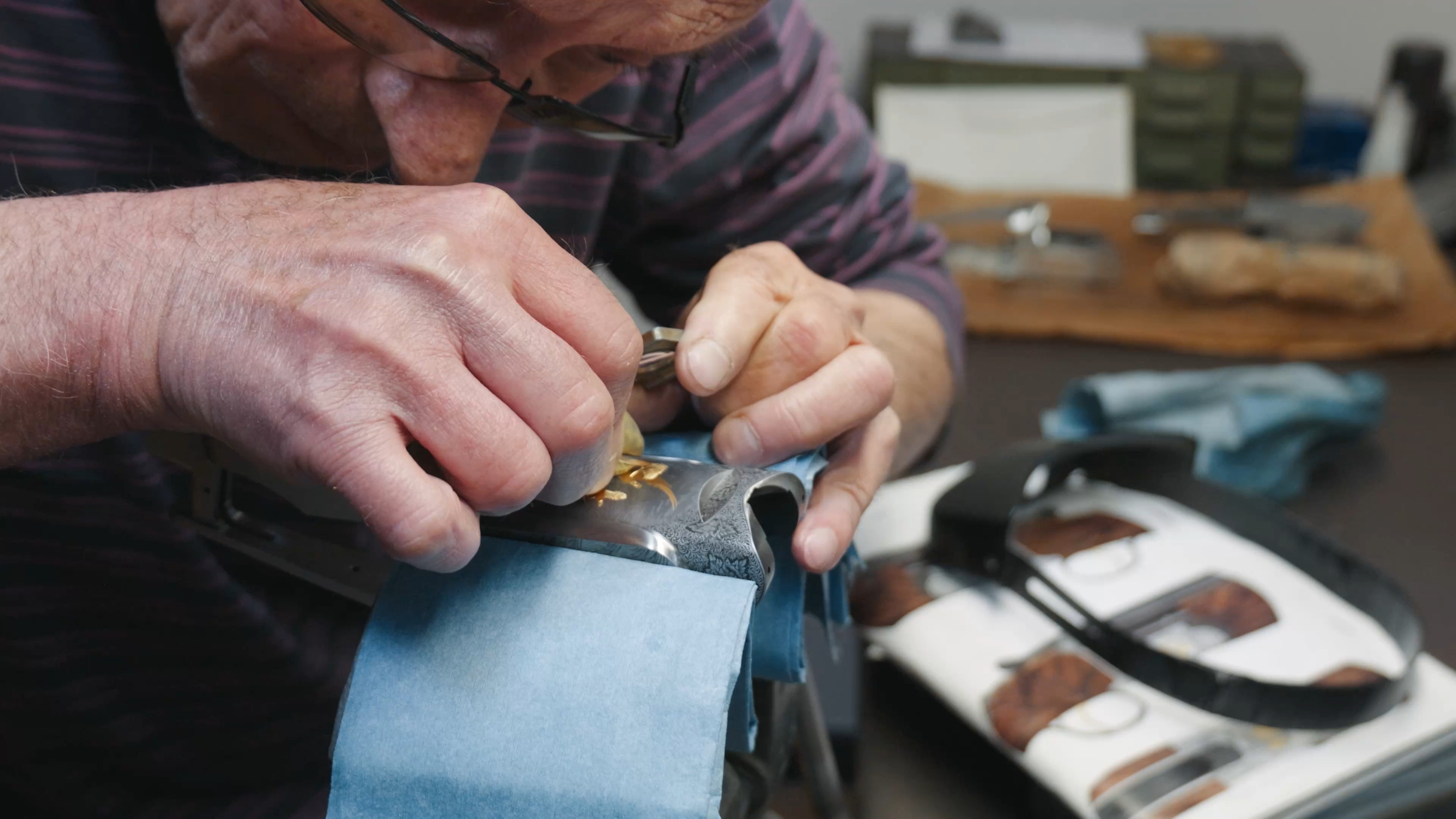
Of everything I saw at Perazzi, watching the master engraver work was the highlight. He's been engraving for 57 years, and the receiver on his bench had about a month of work in it. It was like watching an artist paint on a canvas, and the appreciation for the years of experience behind it hit me pretty hard.
He wasn't the only one, either. The women doing the hand checkering worked with a speed and precision that only comes from years of practice. Every step of the way, there was someone whose entire career was devoted to getting the small details right.
Final Thoughts
Some people balk at the price of these guns, and they're certainly not for everyone. Upgrade your wood and upgrade your engraving and you can get into some crazy prices. But when you see the craftsmanship, the work, and the quality that goes into them, you start to understand that every gun that leaves the factory is one of a kind.
To each their own. What one person values, another does not, and that's OK. I, for one, can appreciate what goes into these, and hopefully next time I'm in Italy, I can get fitted for one of my own.

What do you think about Perazzi? Share your thoughts in the TFL COMMUNITY!
Whether our targets in the field or our targets in life, we'll only hit what we're focused on. Live the #targetfocusedlife